The 30mg Illusion: A 2026 Field Guide to Reading UK CBD Labels
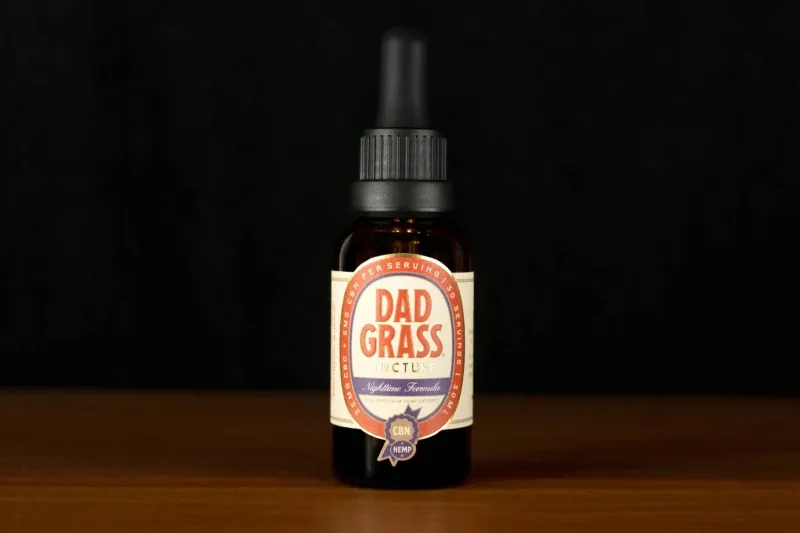
Walk into any UK CBD shop in 2026 and you will see the same theatre: bold numbers, shiny bottles and phrases that sound like a bodybuilding supplement. Maximum strength. Ultra potent. Pharmaceutical grade. The problem is that none of those words tell you what you are actually getting in a serving. If you want to buy CBD without paying for marketing mush, start with the label maths.
Start with the maths, not the mood
CBD labels generally give you three useful numbers: total CBD in the bottle, bottle size in millilitres, and serving size. The first number is the headline. The second tells you how concentrated the liquid is. The third tells you how much you are likely to take at once. Miss any one of those and the comparison falls apart.
A 500mg bottle sounds weaker than a 1,000mg bottle, but not if the 500mg bottle is 10ml and the 1,000mg bottle is 50ml. The first gives you 50mg per ml. The second gives you 20mg per ml. The smaller bottle is actually the more concentrated product. That is the sort of detail 'maximum strength' branding hopes you will skip.
The three numbers that actually matter
First, find the CBD content. It should say CBD, not just hemp extract. Hemp extract may contain other plant compounds, but it does not automatically contain the same amount of CBD as the number on the front. If the label is vague about CBD content, put it back on the shelf.
Second, find the serving size. Oils usually give a dropper measure, often 0.5ml or 1ml. Capsules give mg per capsule. Drinks give mg per can or bottle. This is the number that turns a bottle claim into a realistic dose.
Third, work out cost per serving. That is the only fair way to compare a £20 bottle with a £60 bottle. Price per bottle is noise. Price per serving is the signal.
Percentage is not a personality
CBD percentage is simply a concentration. A 10ml bottle with 500mg CBD contains 50mg per ml, which is 5% w/v. A 30ml bottle with 1,500mg CBD also contains 50mg per ml, which is 5% w/v. Same concentration, different bottle size. A 10% bottle is not automatically 'better' than a 5% bottle; it just has more CBD per ml. Whether that suits you depends on the serving size you want and how easy the dropper is to measure.
This is why percentage alone is a poor shopping shortcut. It tells you density, not dose. A high-strength oil with a tiny serving may give you less CBD than a moderate oil with a full dropper.
'Maximum strength' is a mood, not a measurement
There is no single legal definition of maximum strength for UK CBD oil. It is a marketing phrase, not a standardised category. One brand's maximum might be 20mg per serving; another's might be 50mg. The phrase tells you how the brand feels about its bottle, not what your body is getting.
The Lion's advice is blunt: ignore the mood words and read the back. Look for clear mg per ml, mg per serving, batch number and a certificate of analysis. If a brand cannot show you a recent lab report, it is asking for trust it has not earned.
A quick label audit for 2026
Use this checklist before you buy:
- Is the CBD content stated in mg, separately from hemp extract?
- Is the bottle size in ml clearly shown?
- Is the serving size obvious, including how many drops or ml that means?
- Can you calculate mg per serving in under a minute?
- Is there a batch number and a lab report you can actually find?
- Does the price per serving make sense against similar products?
- Does the label avoid miracle language and medical claims?
If the answer to the first four is no, the bottle is not ready for your basket.
Cost per serving: the Lion maths
Here is a simple example. A 10ml bottle containing 500mg CBD, with a 0.5ml serving, gives 20 servings of 25mg. At £30, that is £1.50 per serving, or 60p per 10mg of CBD.
Now compare a 30ml bottle containing 1,000mg CBD, with a 1ml serving. That gives 30 servings of about 33mg. At £45, that is also £1.50 per serving, but 45p per 10mg. The second bottle is better value per mg, even though the first one may look like a stronger product on the shelf.
That is the kind of comparison worth doing on your phone in the shop. It takes thirty seconds and saves you from paying for a bottle that is mostly label confidence.
Full spectrum, broad spectrum, isolate
These terms describe what is in the product, not how strong it is. Full spectrum usually means a wider range of plant compounds, including trace THC within UK limits. Broad spectrum usually means a wider range without THC. Isolate means CBD on its own. None of these labels tells you the dose. You still need the mg per serving.
If a product uses a proprietary blend and hides individual amounts, treat that as a warning sign. You cannot compare what you cannot measure.
What to ignore
Ignore 'pharma grade' unless the brand explains exactly what that means. Ignore '99% pure' if it is not clear whether that refers to the CBD extract, the carrier oil or the marketing department's imagination. Ignore claims that CBD treats specific conditions. In the UK, CBD is not licensed as a medicine, and any product making bold medical promises deserves suspicion.
The bottom line
A sensible CBD strength is the one that gives you a clear serving size, a transparent label and a cost you are happy to repeat. Start lower than you think you need, keep a simple note of what you take and when, and compare products by cost per serving rather than the biggest number on the front. In 2026, the smartest shopper is not the one who buys the loudest bottle. It is the one who can do the maths.
If you are taking medication, pregnant or breastfeeding, or unsure whether CBD is right for you, speak to a pharmacist or GP before buying. The label can tell you what is in the bottle. It cannot tell you whether it suits you.