Morning-After Maths: What CBD Can and Can't Do for a British Hangover
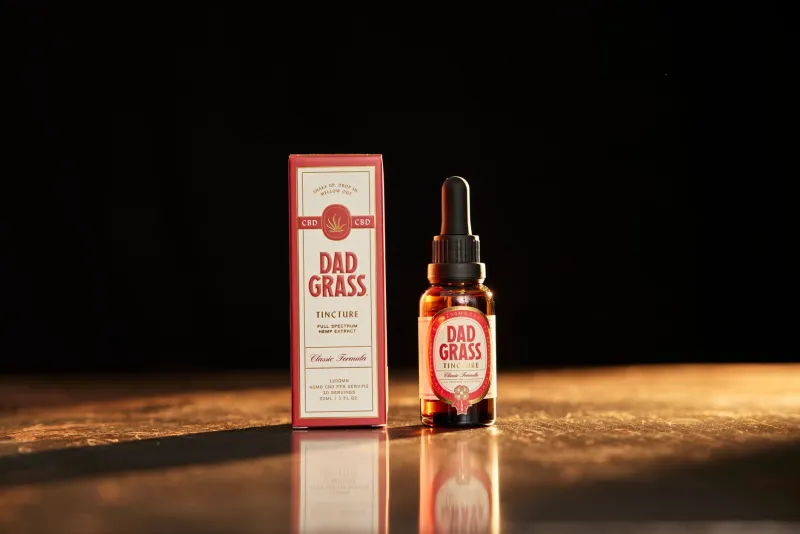
There's a particular kind of optimism that kicks in around this time of year. It's 8am on a Sunday in November, your head is doing something unpleasant, and a targeted advert tells you that a dropper of CBD will sort you out before the roast goes in. It's a nice idea. It's also doing a lot of heavy lifting that the evidence doesn't really support.
So let's do the boring, useful thing: pull apart what a hangover actually is, look honestly at where cannabidiol might fit, and flag the bits of the CBD shelf you should probably walk past.
First up: a hangover isn't one thing
That's the whole problem. A hangover is a messy bundle of effects happening at once — dehydration, disturbed sleep, low blood sugar, an inflammatory response, and the leftovers of acetaldehyde as your liver works through the night's damage. Add a bit of stomach irritation from the alcohol itself and an immune system in a mood, and you've got the full package.
No single compound is going to switch that lot off. Anyone selling you a product that claims to is either misinformed or pushing the boundaries of what UK advertising rules allow for a food supplement.
Where CBD genuinely sits in the picture
Here's the fair summary. Cannabidiol is a well-tolerated ingredient with some evidence around anxiety, sleep quality and general feelings of calm — though, importantly, most of the decent research uses pharmaceutical-grade product at specific doses, not an unregulated bottle from a high street shop.
If your hangover has a strong anxiety component — the 3am dread, the racing thoughts, the vague sense of doom about a text you sent — then a calming ritual might help you feel more like a person. That's not nothing, but it's also not the same as curing a hangover. You're treating the mood, not the physiology.
What CBD won't do: rehydrate you, restore your blood sugar, clear acetaldehyde, or replace the sleep you didn't get.
The interaction question nobody puts on the label
This is the part worth taking seriously. CBD and alcohol do overlap in the body. Both get processed partly through the same family of liver enzymes (the cytochrome P450 crew), and CBD is known to inhibit a few of them. That's a polite way of saying: taking CBD can slow the breakdown of other things, and alcohol is one of the things that puts strain on your liver already.
On top of that, both can be sedating. Stack them and you may feel floppier than expected — which matters if you're driving, operating anything, or looking after children.
Two practical notes. First, whatever you're reading on a forum, cannabis-adjacent products do not cancel out alcohol. They are not a sober-up button. Second, the UK's drug-driving rules don't care what you believe about your own alertness — the limits are legal limits, and 'I felt fine' has never been a defence.
If you're on prescription medication, particularly anything with a narrow therapeutic window, talk to a pharmacist before mixing in CBD at all. This is genuinely not a 'suck it and see' category.
Formats that actually make sense the morning after
Sensible, low-effort, and easy on an unhappy stomach:
- A plain oil in MCT carrier. Simple, quick, no added sugar or flavourings to argue with your gut. Hold it under the tongue for a minute rather than swallowing it straight down.
- A low-dose capsule. Slower onset, gentler, and easier to keep to a consistent amount when your brain is not at its sharpest.
- A balm or topical, if the issue is a tension headache or a stiff neck. Zero systemic absorption to speak of, and honestly sometimes the ritual is the point.
Less sensible: heavily sweetened gummies first thing, anything with a 'detox' claim, and shots that promise to 'reset' your liver. Your liver is a professional. It doesn't need a pep talk in a 30ml bottle.
Red flags on the UK shelf
A short, unsentimental checklist:
- No batch-level certificate of analysis. If the lab report isn't available for the batch you're holding, you have no idea what's in it.
- No stated THC content. UK hemp products should sit at or below the legal threshold — you want to see it printed, not implied.
- Dosing by vibes. 'Take as needed' is not a dose. You want milligrams per ml and a clear serving size.
- Hangover-specific claims. Anything positioning itself as a cure is a marketing decision, not a scientific one.
- Wildly cheap. CBD that costs less than the lab testing behind it is a maths problem you don't want to solve.
The honest verdict
CBD is not a hangover cure, and the sooner that idea dies, the better your Sundays will be. It might take the sharp edge off the anxiety that comes with one, and it might help you feel a bit more settled — but the heavy lifting is still water, food, sleep, and time.
Think of it as a handbrake, not a brake pedal. Useful for stopping things sliding further. Useless if you're hoping to reverse the night before.