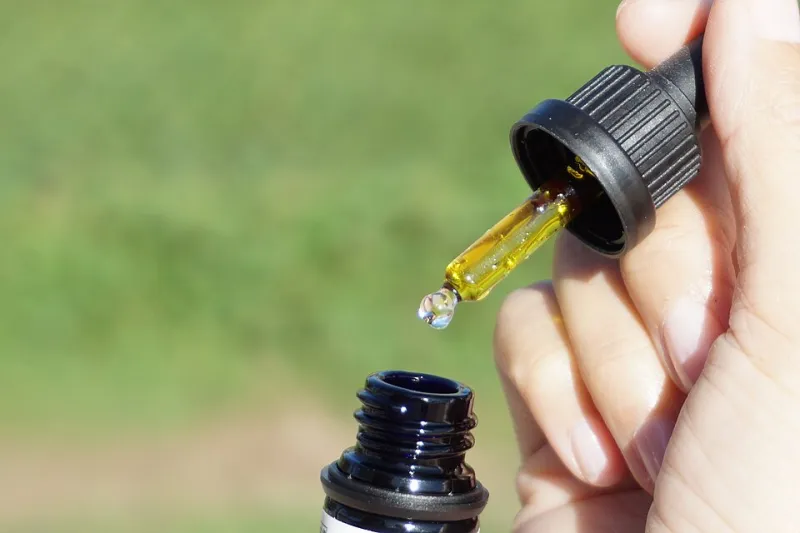
The Cool Cupboard Rule: Giving Your CBD a Proper Home in a British Kitchen
Most people spend ages choosing a CBD oil and roughly four seconds deciding where to keep it. It goes in the bathroom cabinet, next to the toothpaste. Or on the kitchen windowsill, because it looks nice. Or in the fridge door, because someone on the internet said that was the law.
Here’s the less glamorous truth: storage is part of getting your money’s worth. CBD isn’t a delicate orchid, but it isn’t indestructible either. Light, heat, air and moisture all have a go at it over time. In a British home, that means the bathroom, the radiator shelf and the sun-trap windowsill are not doing your bottle any favours.
Why the bathroom is the worst housemate
Bathrooms are warm, damp and full of steam. Every shower gives the room a mini tropical climate, then lets it cool down again. That cycle isn’t ideal for any food or supplement product, and CBD oil is no exception.
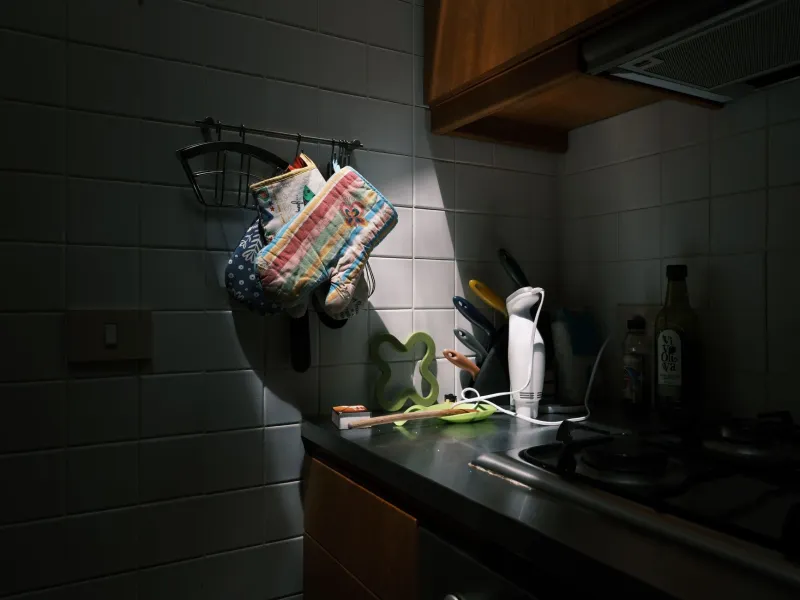
If your bottle lives beside the shampoo, move it. A cool, dark kitchen cupboard is almost always a better shout. Not the cupboard directly above the kettle, obviously. Use a bit of common sense.
What actually degrades cannabinoids
You don’t need a chemistry degree to understand the basics. The main enemies are:
- Light — especially direct sunlight. Amber and dark glass bottles aren’t just for show; they reduce light exposure. Clear bottles are less protective.
- Heat — warm rooms, radiators, sunny windowsills and hot cars. Consistent moderate temperatures are better than hot-cold-hot-cold.
- Air — oxygen can gradually affect cannabinoids. Keep the lid on properly and don’t leave the bottle open while you wander off.
- Moisture — steam and condensation aren’t helpful, particularly around droppers and edible packaging.
CBD products don’t usually go off in a dramatic, mouldy-cheese way overnight. But they can lose potency, change flavour or become less pleasant over time. If something smells rancid, looks cloudy in a way it didn’t before, or has visible mould, bin it. Don’t try to rescue it.
The fridge question, without the drama
Should CBD oil go in the fridge? Sometimes, yes. But the fridge door is a shaky choice because the temperature swings every time someone opens it looking for milk.
A few practical points:
- Check the label. If the brand says store in a cool, dark place, a cupboard is usually fine. If it specifically says refrigerate, follow that.
- Some CBD oils contain coconut-derived MCT oil, which can thicken or solidify in the cold. That’s not automatically a disaster, but it can make measuring a faff.
- If you do refrigerate, keep the bottle sealed and allow it to come to room temperature before use if the oil has thickened. Wipe away condensation before opening.
- Don’t freeze it. There’s no need to turn your kitchen into a cryogenics lab.
For most UK homes, a cool cupboard away from the cooker, radiator and window is the simplest workable answer. If your kitchen regularly hits sauna levels, a fridge — away from the door — may be the better compromise.
Read the label like you mean it
UK CBD labels can be vague, but they’re not always useless. Look for a storage line, a batch number and a date. “Best before” and “use by” are not the same thing. A best-before date is about quality; a use-by date is about safety. Most CBD oils will have a best-before type date, but follow whatever the manufacturer actually says.
Also check the packaging for:
- Storage instructions — cool, dry, away from direct sunlight is the common theme.
- Batch code — useful if you ever need to query a product.
- CBD amount per drop or ml — not storage, but handy for keeping your routine consistent.
- Container type — amber glass, airless pump, opaque pouch. Packaging is a clue to how much protection the maker expects the product to need.
If the label is silent, don’t invent a complicated regime. Cool, dark, dry and sealed is the sensible default.
Room-by-room rules that actually stick
Bathroom: don’t. Unless it’s the only safe place away from children and pets, and even then, choose the least steamy cupboard. Better yet, move it.
Kitchen windowsill: no. British weather can be grey for weeks and then suddenly turn your windowsill into a greenhouse. Direct sun is not your friend.
Kitchen cupboard: yes, generally. Pick one away from the oven, hob and radiator. A high shelf is good for keeping bottles away from curious kids, but make sure it’s not above the kettle.
Fridge door: not ideal, because of temperature fluctuations. A fridge shelf towards the back is better if refrigeration is needed. Keep it sealed and away from strong-smelling food.
Bedside table: convenient, but only if the room isn’t hot and the bottle isn’t in direct sun. A drawer is better than a windowsill.
Handbag or gym bag: fine for travel, not for permanent storage. Heat, friction and forgotten banana crumbs are not a good combination.
A simple shelf-life audit
Once a month, take ten seconds to check your bottle. Is the lid clean and closed? Is the dropper free of gunk? Has the oil changed colour or smell? Is the date still sensible? If you’ve got three half-empty bottles rattling around, finish one before opening another.
And please don’t decant CBD into an unlabelled bottle “to save space”. That’s how someone ends up trying to put it in their tea by mistake — or worse, leaving it within reach of a child or pet. Keep the original packaging and the label intact.
The bottom line
You don’t need a temperature-controlled cabinet. You need a cool, dark cupboard, a properly closed lid and a bit of consistency. Treat your CBD like a decent olive oil rather than a bathroom ornament. Your bottle will thank you, and your wallet probably will too.