Hot Flushes and Hype: A UK Woman's No-Nonsense CBD Menopause Guide
Photo: National Media Museum from UK, No restrictions, via Wikimedia Commons
Menopause has a way of turning every wellness aisle into a minefield. In 2026, CBD is still sold with a wink and a nudge — 'calm', 'balance', 'support' — while the actual evidence sits somewhere between promising and patchy. If you're in perimenopause or menopause and wondering whether a bottle of CBD deserves space next to your HRT, here's the Lion CBD version: no miracle claims, no influencer maths, just what UK women can reasonably ask before buying.
First, the regulatory reality check
CBD is not a licensed medicine for menopause. In the UK, it is regulated as a novel food, and products cannot legally claim to treat, prevent or cure menopause symptoms. That matters. A label that promises to 'fix' hot flushes is either badly advised or deliberately vague. The MHRA has consistently said that CBD products making medicinal claims need to be licensed — and most are not. If a brand is hinting that its oil is a menopause treatment, treat that as a red flag, not a selling point.
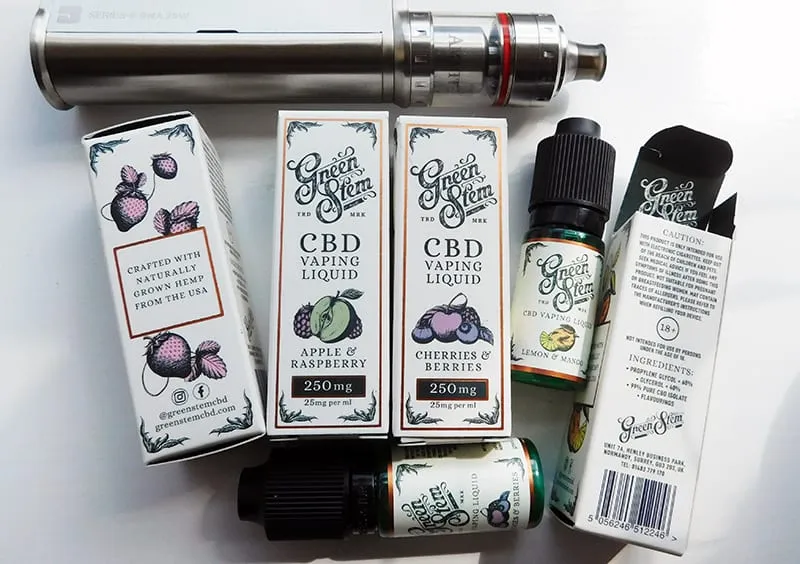
Then there is the strength question. '1000mg' on the front of a bottle tells you almost nothing until you know the bottle size and the serving size. A 1000mg 30ml oil is not the same as a 1000mg 10ml oil. And a product can be labelled full-spectrum, broad-spectrum or isolate without explaining what that means for you. In the UK, reputable brands should be able to show batch test results and clear information about THC content. If they can't, walk away.
What the evidence actually supports — and what it doesn't
The strongest evidence for CBD is in specific epilepsy treatments, and those are licensed medicines, not high-street oils. For sleep and anxiety, the research is mixed: some small studies suggest CBD may help some people, but the trials are often short, small or conducted in very different contexts. For menopause specifically — hot flushes, night sweats, mood swings, joint aches — there is no robust evidence that CBD is an effective treatment.
That doesn't mean it is useless. It means the honest position is cautious. If you are struggling with sleep or anxiety during perimenopause, CBD may be worth a personal trial, but it is not a hot-flush off-switch. If night sweats are wrecking your sleep, CBD is unlikely to be the thing that fixes them. And if a product is marketed as a replacement for HRT, that is a claim no reputable UK brand should be making.
Reading labels for perimenopausal needs
Start with milligrams per serving, not milligrams per bottle. A 500mg 10ml oil contains 50mg per ml. If a full dropper is 1ml, that is 50mg per dropper; if you take half, it is 25mg. If the label only gives a bottle total and no serving information, you cannot compare it with anything else. That is not a strength guide; it is a guessing game.
Look for the carrier oil. MCT oil is common and easy to use. Check whether the product is full-spectrum, broad-spectrum or isolate, and whether the brand explains the difference on its own website. Check for a batch code and a certificate of analysis. Check the THC statement. And check the price per milligram, not just the price on the shelf. A £25 bottle with 250mg is 10p per mg; a £45 bottle with 1000mg is 4.5p per mg. The cheaper-looking bottle is not always the better value.
Questions to ask your GP or pharmacist
Before you buy, write down what you are actually trying to manage: sleep, anxiety, joint pain, low mood, hot flushes. Then take the product label to your GP or pharmacist and ask about interactions. CBD can affect how the body processes some medicines, including certain antidepressants, blood thinners and epilepsy drugs. If you are on HRT, ask whether there are any concerns. If you have liver problems, ask before using CBD at all.
Ask whether your symptoms could have another cause. Menopause is not a diagnosis of exclusion, and perimenopause can overlap with thyroid problems, anaemia and stress. Ask about drowsiness and driving. Ask whether a trial is reasonable alongside your existing treatment, not instead of it. And do not stop prescribed medication to test a CBD oil.
The Lion CBD bottom line
CBD may be worth a cautious trial for sleep or anxiety, but it is not a proven menopause treatment. Buy from a UK brand that publishes batch tests, states milligrams per serving and does not make medicinal claims. Start low, keep a simple symptom diary for a few weeks, and judge it on your own experience — not on a TikTok testimonial. Menopause deserves straight answers. CBD can be part of the conversation, but it should not be the whole story.