The Label vs. the Lab: A Blunt UK Guide to CBD Paperwork That Actually Adds Up
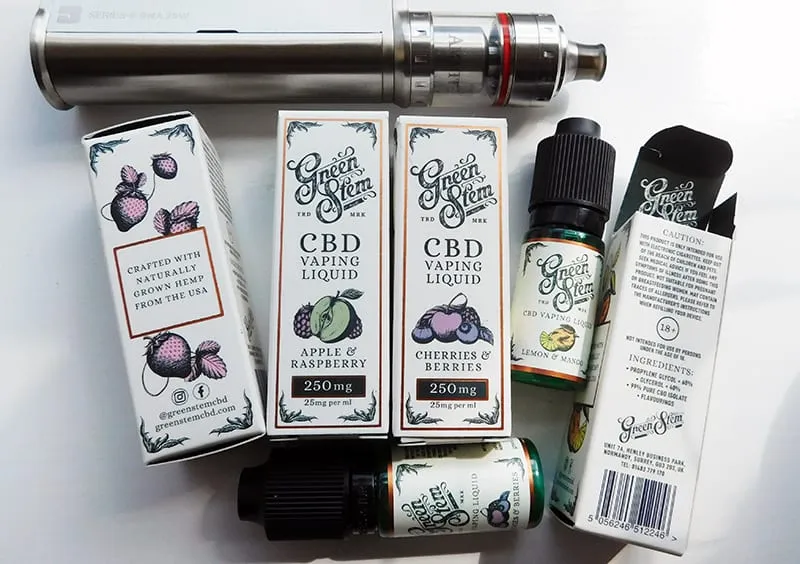
Photo: Ecig Click, CC BY-SA 2.0, via Wikimedia Commons
CBD packaging loves a confident claim. A lab report is supposed to be the boring bit that backs it up. The trouble is that most of us are not chemists, and a certificate of analysis can look like a spreadsheet from a different planet. That is fine. You do not need a science degree to do a decent paperwork audit. You just need to know which boxes matter and when a brand is quietly hoping you will not look.
As we head into the back end of 2026, the UK CBD shelf is crowded with polished bottles and slick QR codes. Some of those QR codes lead to a proper, batch-specific lab report. Others lead to a homepage, a generic PDF, or a dead link. The difference matters. This is not about being cynical for the sake of it. It is about giving your money to brands that can show their workings.
First, find the batch code, not the barcode
The batch code is the fingerprint of the actual run of product in your hand. It is usually a short mix of letters and numbers printed on the base, the side of the label, the crimp, or sometimes under a peel-back section. It might sit next to the best-before date. It is not the barcode, and it is not the product SKU. If a brand only gives you a barcode, that is not a batch code.
Write the code down exactly. Take a photo of the bottle and the code together if you are keeping records. This sounds fussy, but it saves time later. If the code is smudged beyond reading, that is already a small warning sign. A brand that cannot print a legible batch code is not filling you with confidence about the rest of its quality control.
Pull the certificate that belongs to your bottle
A certificate of analysis, or CoA, should name the product, the batch code, the date it was tested and the laboratory that did the testing. If you scan a QR code and land on a generic report for the product range, keep looking. Generic paperwork is better than nothing, but it does not prove anything about the specific bottle on your kitchen counter.
Look for a batch lookup tool on the brand's website. If there is not one, email the brand with the product name and batch code and ask for the matching CoA. A decent brand will send it without a fuss. A vague reply about quality being important is not the same as a document. Save the PDF. If you are deciding whether to reorder, you will want the evidence in one place.
The four boxes worth checking first
You do not need to read every line. Start with four things.
One: product and batch match. The name on the CoA should match the bottle. The batch code should match exactly. The date should be recent enough to relate to the stock you bought. If the report is years old, ask whether the current batch has been tested.
Two: the cannabinoid panel. This is where the label and the lab can fall out. Check the total CBD figure and compare it with the label. If the bottle says 1000mg and the lab report shows a meaningfully lower number, ask why. Small differences can happen because of testing methods and formulation, but a big gap is not a rounding error. It is a mismatch worth challenging.
Also look for THC and other cannabinoids. If the product is sold as broad spectrum, the panel should make sense with that. If THC is missing from the report entirely, ask why. You are not expected to interpret every decimal. You are expected to notice when the story on the label and the story in the lab do not line up.
Three: contaminants. A useful CoA will cover heavy metals, pesticides, residual solvents, mycotoxins and microbial contamination, or explain why some are not relevant. You are looking for pass or within-limit results, not a blank space. If a brand tests only for cannabinoids and calls it a day, that tells you something about its idea of safety.
Four: dates and lab details. Check when the sample was tested and when the product expires. An in-date bottle backed by an old report is not automatically dodgy, but it deserves a question. The lab should be named, and ideally accredited. In the UK, look for UKAS accreditation or a clear equivalent. An anonymous lab report with no methods and no contact details is not much more than a nice-looking PDF.
What counts as a real mismatch?
A few percent difference between label and lab is not automatically a scandal. Testing has variables, and formulations are not always as tidy as marketing departments would like. But if the label claims 1000mg and the lab shows 700mg, that is not a subtle nuance. That is a product telling two different stories.
The same goes for serving size. If the label says each drop contains a certain amount, check whether the maths works with the bottle size and the lab result. Brands sometimes lean on impressive milligram numbers while the actual amount per drop is modest. The lab report will not settle every question about how the product feels to you, but it should settle the basics of what is in the bottle.
The email that gets answers
Keep it short and specific. Ask for the batch-specific CoA for the exact product and batch code, including cannabinoid and contaminant results. Ask for the date of analysis and the name of the laboratory. You do not need to write an essay. You are not being difficult. You are doing what any sensible consumer does before spending again.
If a brand sends the report quickly and it matches, that is a good sign. If it stalls, sends a generic file, or tells you not to worry, you have your answer. Trust is not a vibe. It is paperwork that turns up when asked.
The buy-again test
Before you reorder, give the brand a simple score: did the batch code exist, did the CoA match, did the cannabinoid panel make sense, were contaminants covered, and did the dates stack up? You do not need perfection. You need consistency. A brand that can answer those questions without drama has earned a second look. A brand that cannot should not be surprised when you walk.
The lab report is not the whole story of a CBD product. It will not tell you whether you like the taste or whether the routine fits your day. But it will tell you whether the brand is keeping its house in order. In a market full of big claims, that is worth a few minutes of digging.