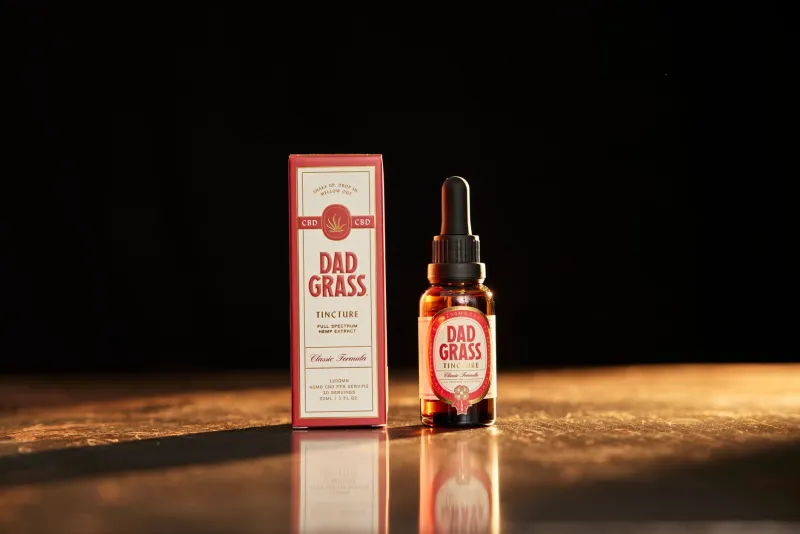
The Medicine Cupboard Detour: CBD Meets Winter Cold Remedies in 2026
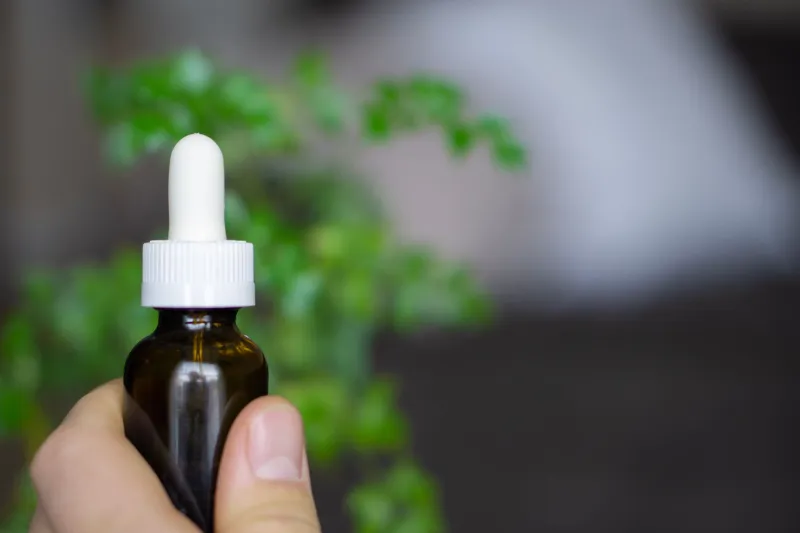
November in the UK has a particular smell: damp coats, train heating, and the inside of a medicine cupboard that has not been audited since last February. If you take CBD drops daily, that cupboard deserves a second look before the first proper sniffle lands. Not because CBD is dangerous, and not because cold remedies are villains, but because 'natural' has never meant 'interaction-free'.
Here at Lion CBD, we are not here to scare you off your drops. We are here to make sure your winter cold kit and your CBD routine are not quietly working against each other while you are bunged up and reaching for the nearest box.
First, what is actually in the cupboard?
Most British kitchens contain a small pharmacy of half-finished packets. Paracetamol. Ibuprofen. A lemon-flavoured powder that promises to sort out your sinuses. Decongestant tablets. A night-time cold medicine that knocks you out by 9pm. Maybe a cough syrup that tastes like old sweets. Add a bottle of CBD oil and you have a lot of ingredients sharing the same bloodstream.
The problem is not usually one product on its own. It is the overlap. Many cold remedies contain more than one active ingredient, and some contain the same things as other products in the cupboard. Paracetamol is the classic example: it turns up in cold and flu sachets, headache tablets and night-time formulas. It is easy to double up without meaning to.
Why 'plant-based' is not a free pass
CBD is not a vitamin. It is a compound that the body processes, and it can affect how other medicines are broken down. It can also add to drowsiness, affect blood pressure in some people, and interact with certain prescription medicines. That does not mean you should panic every time you open the cupboard. It does mean the label on your CBD bottle and the label on the cold remedy both deserve a proper read.
Cold remedies bring their own complications. Decongestants such as pseudoephedrine can raise heart rate and blood pressure. Night-time products often contain sedating antihistamines such as diphenhydramine or promethazine. Some cough medicines contain codeine, alcohol or other active ingredients. Herbal syrups are not automatically simple either; they can still contain alcohol or other compounds that matter.
The risk is rarely dramatic for most healthy adults taking a standard CBD dose. But 'rarely dramatic' is not the same as 'not worth checking', especially if you take prescription medication, have high blood pressure, or are the sort of person who takes three cold remedies at once because none of them individually felt strong enough.
The combinations worth a pharmacist chat
You do not need a doctor's appointment for every sniffle. But a quick word with a pharmacist is free, sensible and much less awkward than lying awake at 2am wondering whether your night-time cold medicine and your CBD drops were a good idea.
Worth flagging to the pharmacist:
- Night-time cold medicines and CBD. If the cold remedy contains a sedating antihistamine, and you are also taking CBD, the combined drowsiness can be more than you expect. That matters if you need to drive, operate machinery or look after children.
- Decongestants and CBD. If you have high blood pressure, heart rhythm issues or take blood pressure medication, ask before combining a decongestant with your CBD routine. This is not about scaremongering; it is about not adding another variable to your cardiovascular system while you already feel rough.
- Cough medicines with codeine or alcohol. These can already cause drowsiness or stomach upset. CBD may add to the picture. Ask whether you need that particular product at all.
- Prescription medicines. Warfarin, epilepsy medicines, immunosuppressants and some antidepressants are the big ones. CBD can interact with medicines processed by certain liver enzymes. If you take any regular prescription medicine, the pharmacist is the right first stop.
- Paracetamol and ibuprofen. There is no headline-grabbing CBD interaction here for most people, but the real risk is accidental double-dosing from multiple cold products. Check the total daily paracetamol dose across everything you are taking.
The one question worth asking
Walk into the pharmacy with your CBD bottle and the cold remedy box. Say something like: 'I take this CBD oil at this strength and this dose, usually at this time. I am thinking of taking this cold remedy, which contains these ingredients. Is that okay, and should I change the timing?'
That is it. You are not asking for a diagnosis. You are asking for a safety check. A good pharmacist will look at the active ingredients, ask about your other medicines, and tell you whether there is anything to worry about. If you use one pharmacy regularly, they will already have a record of your prescriptions, which makes the conversation quicker and more useful.
Do not stop a prescribed medicine just because you have started CBD, and do not assume spacing doses apart solves every interaction. Timing can help with some medicines, but it is not a universal fix. Get advice rather than guessing.
A simple winter checklist
Before cold season properly settles in, do a ten-minute cupboard audit:
- Write down your CBD product, strength, dose and usual time.
- Read every cold remedy label, including the small print and the active ingredients.
- Check for overlapping paracetamol across different products.
- Avoid stacking sedating products, especially at night or before driving.
- Ask a pharmacist before combining CBD with decongestants, night-time cold medicines, codeine-containing syrups or regular prescription medicines.
- Keep CBD and all medicines out of reach of children and pets.
- If you feel unusually drowsy, dizzy, sick or unwell after combining products, stop and seek advice.
CBD is not a cold cure, and it is not a replacement for proper cold and flu care. It is a daily routine for many people, and that routine should fit sensibly around the rest of your medicine shelf. A short pharmacist chat is a small detour. It is worth taking before the sniffles arrive.