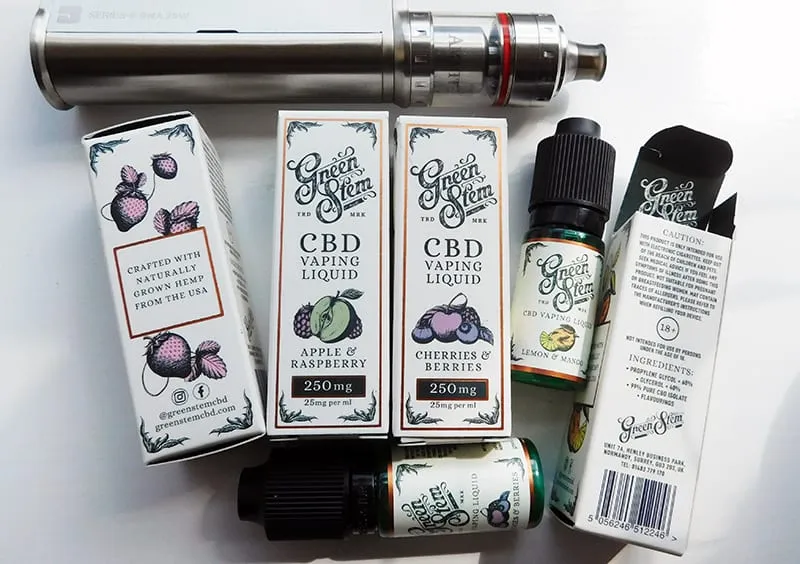
Set a Reminder, Not a Direct Debit: The 2026 UK CBD Subscription Audit

Photo: Michael Garlick , CC BY-SA 2.0, via Wikimedia Commons
There's a particular kind of email that lands in a lot of British inboxes around this time of year. Subject line: Your next order is on its way. Problem: you didn't order anything. You signed up for something in February, forgot about it by March, and now a bottle is thudding onto your doormat every four weeks while your bank balance quietly deflates.
CBD subscriptions aren't a scam in themselves. Plenty of decent UK brands run them honestly, and a genuine 15–20% recurring discount is worth having if you're a daily user. But the model is built to reward the brand, not you, and the small print is where the money hides. So let's go through it properly.
The 'free trial' that isn't free, and never was
Read the wording carefully. A £4.95 "trial bottle" that covers postage is almost never a sample — it's a hook. What you're usually agreeing to is a rolling supply at full RRP, starting somewhere between 14 and 30 days later, with the trial price applying to exactly one bottle ever.
Nothing illegal there, as long as it's disclosed clearly before you pay. The trap is that the disclosure is often in a grey box under the payment button, in a font size that would fail an eye test. If you can't find the phrase "you will be charged £X every Y weeks" before you tap pay, that's your first warning sign. Screenshot the checkout page anyway. It's amazing how quickly a "£4.95 trial" becomes "£39.99 a month" in a dispute when nobody kept a record.
Cancelling shouldn't be a hobby
Here's the test I'd run on any brand: find out how you cancel before you buy. Not after. Before.
A fair operator puts it in the account dashboard — one toggle, done. A less fair one makes you email customer services, then wait for a reply, then reply again because the first email "wasn't received", then discover the next dispatch has already gone out. Three emails deep and you're still subscribed.
Under the Consumer Contracts Regulations 2013 you've got 14 days to cancel a distance purchase from the day goods arrive, and cancelling a subscription shouldn't be harder than starting one. On top of that, the subscription-contract provisions in the Digital Markets, Competition and Consumers Act 2024 — being phased in with the main rules expected to bite during 2026 — push squarely towards clearer pre-contract information, reminder emails before a renewal, and an exit route that doesn't require a written plea. Good news on paper. In practice, enforcement takes time, so assume you're still on your own for now.
The five-minute exit test:
- Open the brand's site in a private window as if you were a customer.
- Search the help centre for "cancel". Time how long it takes to find a straight answer.
- Check whether cancellation is self-serve or email-only.
- Look for a phone number. If there isn't one, note that.
- Read a handful of Trustpilot reviews filtered to one star and search the page for the word "cancel". You'll learn more in ten minutes than from any product page.
If the exit door is a maze, don't walk through the entrance.
Price creep and the second-bottle maths
Two things tend to happen after delivery one. The discount narrows, and the frequency tightens.
So do the sums on a scrap of paper. Take the price per milligram, not the price per bottle — a 10ml bottle at 1,000mg is a different animal from a 30ml at 500mg, and the subscription discount can flatter a product that's still expensive per mg. Then compare three numbers: the subscription price for a year, the full price bought bottle-by-bottle, and the full price bought in two or three bulk orders when there's a sale on. You may well find that buying three bottles during a Black Friday or January promotion beats twelve months of "exclusive member pricing" — especially once you factor in postage.
Also check whether pause means pause. Some platforms pause cleanly. Others treat "pause" as a one-off skip and quietly resume you at the next cycle, which is fine if you knew that. Read the wording. It's usually there, just not in bold.
How your money actually leaves your account
Worth knowing, because it changes your options:
- Direct Debit — covered by the Direct Debit Guarantee. If something goes wrong, you can ask your bank for a full and immediate refund of the payment, no argument needed.
- Continuous Payment Authority on a card — you can still ask your bank or card provider to cancel it, and they're obliged to act. It's a slightly clunkier process than the Direct Debit route but it works, and it's a decent backstop when a brand won't play ball.
Keep the email trail. If you cancelled and a payment went through anyway, that's your evidence, and a chargeback request becomes a lot more straightforward.
When a subscription genuinely earns its keep
Don't write them all off. A recurring order makes sense if three things are true: you use the same strength and format every single day, the discount is real when calculated per milligram, and you've personally tested that you can stop it in under two minutes.
It makes no sense if you're still experimenting with strengths, if you use CBD a few times a week, or if you're the sort of person who forgets a gym membership exists. That's not a character flaw — it's just how subscriptions make their money.
The blunt bottom line
The cheapest CBD is the bottle you actually finish. Before you sign up to a repeat order, find the cancel button, note the price per milligram, and set a phone reminder for the day before the next dispatch — because nobody else is going to send you one out of the goodness of their heart. If the brand does send a proper renewal reminder, that tells you something good about them. If it doesn't, you've learned something useful too.
This is general consumer information, not legal advice. If a subscription dispute won't budge, Citizens Advice and your local Trading Standards team are the sensible next stop.