The Shop Floor Audit: A Blunt Brit’s Guide to CBD When You’re Standing at the Counter
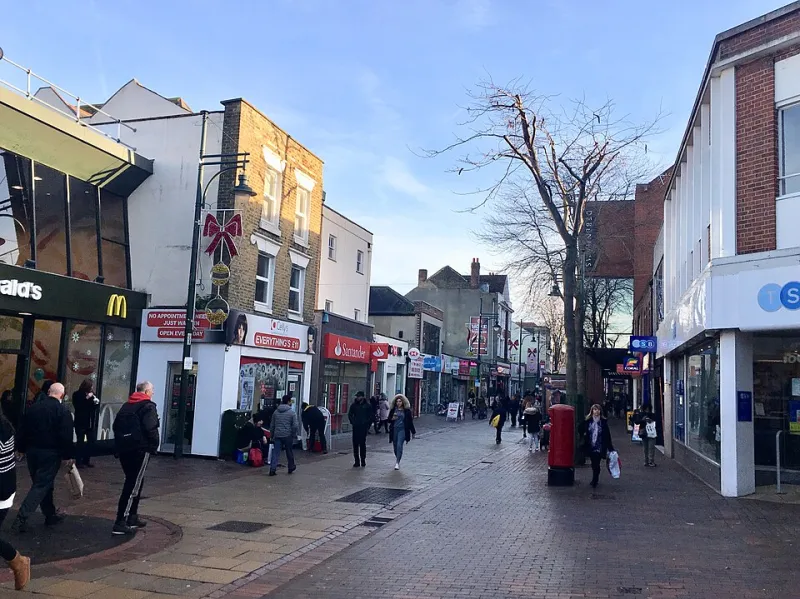
Photo: Chris Whippet , CC BY-SA 2.0, via Wikimedia Commons
There’s something genuinely nice about buying CBD in person. You can pick the bottle up, turn it round, see the actual size of the thing, and ask a human being a question. No waiting for a courier. No guessing whether the parcel will fit through the letterbox. Just a shop, a shelf and a card machine.
But convenient isn’t the same as clear. The British high street has plenty of decent CBD retailers, and it also has shelves packed with bold claims, vague strength labels and counter staff who might know their stuff — or might be reading the back of the box at the same time as you. So here’s a blunt shelf-side audit: what UK CBD shops tend to get right, what they sometimes hide in plain sight, and how to compare a shop purchase with an online one without losing your head.
Why the high street still earns its place
Not everyone wants to buy wellness products from a website with a countdown timer and a cartoon moon. For plenty of people, seeing the product on a shelf is part of feeling confident about it. You can check the packaging, compare bottle sizes and ask for a recommendation face to face.
That’s a real plus. Independent health shops, chemists and specialist CBD counters often do a better job than online stores at one simple thing: letting you slow down. You’re not clicking “buy now” while a discount expires in 04:59. You’re standing there, holding a bottle, working out whether 500mg is actually strong or just sounds strong.
Use that pause. It’s the best thing the high street gives you.
The shelf-side checklist
Before you pay, run through this lot. It works in a shop and it works online, which is the point.
1. Find the batch code
A proper batch or lot number should be printed on the bottle or box, not just a barcode. Batch codes matter because they link your specific bottle to a specific set of lab results. If the shop can’t show you a batch code, or the staff look at you as if you’ve asked for the deed to the building, that’s a warning sign.
2. Do the strength maths
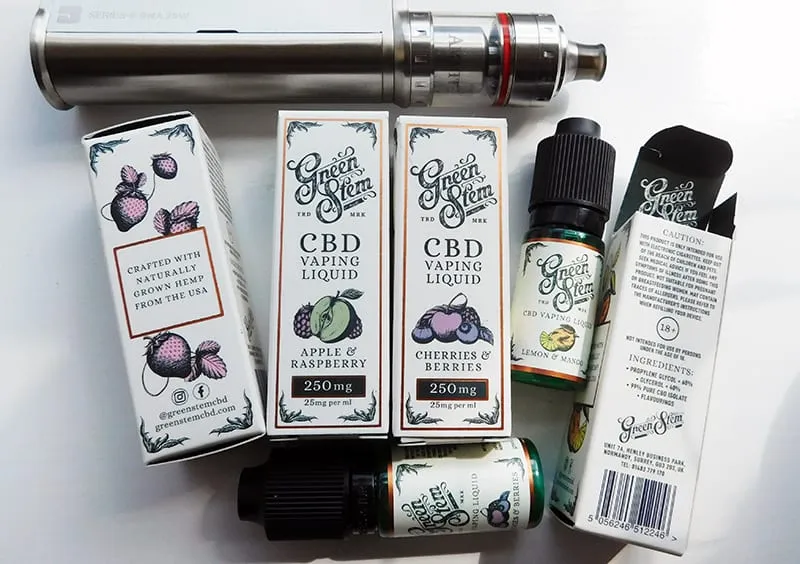
“High strength” is marketing language. Milligrams are the useful bit. Check the total CBD in the bottle and the amount per drop or per ml. A 10ml bottle with 500mg is not the same as a 30ml bottle with 500mg. Same headline number, very different concentration.
If the label only says “500mg hemp extract” and doesn’t tell you how much CBD is in it, put it back. Hemp extract is not a synonym for CBD. It’s a category that can include plenty of other plant compounds, and sometimes very little CBD at all.
3. Work out the price per milligram
This is the high street’s blind spot. A bottle can look like a bargain because it’s £22, but if it contains 200mg, you’re paying 11p per milligram. A £40 bottle with 1,000mg is 4p per milligram. Do the division on your phone. It takes ten seconds and it cuts through a lot of friendly shelf talk.
4. Check the spectrum claim
Broad-spectrum, full-spectrum and isolate mean different things. A shop may use these terms loosely. Ask what the product actually is and whether the label backs it up. If you want THC-free, check that the lab report confirms it rather than relying on a chat with someone who may be repeating what the rep told them.
5. Look for a lab report, not a logo
A “lab tested” badge is easy to print. A batch-specific certificate of analysis is harder to fake. Ask to see it. If the shop can’t access it in-store, ask whether the batch code can be checked on the brand’s website. A good retailer won’t mind. A poor one will get twitchy.
What shops get right — and what they hide in plain sight
What shops get right is access. You can compare textures, ask about carrier oils, and get a sense of whether the staff are actually trained or just keen. A decent counter person will tell you what they don’t know. That’s worth more than a confident monologue.
What they hide in plain sight is often the boring stuff: the strength maths, the batch code, the price per milligram. It’s not necessarily deliberate. Shelves are designed to sell, not to educate. Big numbers and nice colours do the talking. The bits that help you compare products are often in small print on the back.
Another classic is the upsell. You go in for a 300mg bottle and come out with a 1,500mg bottle, a tub of balm and a loyalty card. Nothing wrong with any of that if it suits you. But strength should be a decision, not a nudge. Start low, work out what you actually need, and don’t let a shelf talker turn a simple purchase into a panic buy.
The awkward questions worth asking
You don’t need to be rude. You just need to be direct. Try these:
- “Can I see the batch code and the lab report for this bottle?”
- “How many milligrams of CBD are in the whole bottle, and how many per ml?”
- “What’s the price per milligram?”
- “Is this isolate, broad-spectrum or full-spectrum — and does the lab report confirm it?”
- “What’s your returns policy if I don’t get on with it?”
A good shop will answer. A great shop will welcome it. A shop that dodges the batch code question is telling you something useful.
In-store versus online: the honest comparison
Online wins on price comparison. You can open five tabs, check five labels and work out price per milligram without anyone hovering. It also makes batch codes and lab reports easier to find if the brand is organised.
In-store wins on immediacy and human contact. You can see the bottle, ask about carrier oils and avoid delivery faff. But it can be weaker on transparency if the staff aren’t trained or the shop doesn’t keep batch paperwork to hand.
The best approach is to use both. Research online, then buy in-store if you want the convenience — or buy online if the shop can’t answer the basics. Convenience is fine. Paying for clarity you didn’t get is not.
The bottom line
The high street is a decent place to buy CBD if you treat the shelf like a label-reading exercise rather than a display of promises. Check the batch code. Do the strength maths. Work out the price per milligram. Ask the awkward question. And if the counter can’t help you with any of that, don’t feel obliged to be polite about your wallet. Walk to the next shop — or open a browser tab and compare properly.
At Lion CBD, we’re not here to tell you that one route is always better. We’re here to say that clarity should travel with you, whether you’re standing at a counter in 2026 or clicking through a checkout at midnight.